top of page

One of Wollongong's most respected family addresses. Commands a premium that holds long-term.
Balgownie sits in the northern belt of the Wollongong urban area, positioned between Fairy Meadow and the University of Wollongong precinct. It's a predominantly residential suburb with a quiet street character, escarpment backdrop and a mix of housing that runs from original post-war homes through to some later infill. Its proximity to the university gives it a particular rental market dynamic that sets it apart from neighbouring suburbs.
The suburb attracts owner-occupiers who want a quiet residential environment with access to Wollongong's northern amenity. Fairy Meadow Beach is a short drive or cycle, and the city centre is accessible. It also draws investors targeting the university rental market, which has shaped the suburb's tenure mix over time. Families, academics, and buyers looking for a northern position without paying Fairy Meadow prices feature in the buyer profile.
The trade-off in Balgownie is transport dependency. Unlike Fairy Meadow to the north, Balgownie has no train station. Bus access serves the suburb, but buyers who rely on rail for commuting will need to factor in the journey to a station. The suburb's quiet character is part of its appeal, but for buyers who need easy rail access, this is a meaningful constraint.

Who Lives Here?
Established families, professionals, academics
Balgownie's lifestyle is quieter and more neighbourhood-oriented than its northern Illawarra peers. The suburb has a relaxed residential feel. Escarpment walking tracks are within reach, and the University of Wollongong's campus and facilities are accessible for those affiliated with or near the institution.
There's no retail or dining strip within the suburb itself. Residents rely on Fairy Meadow, Wollongong CBD or the university precinct for day-to-day shopping and services. For buyers who find the suburb's price point and quiet character appealing, the short drive or cycle to Fairy Meadow's shops and to the beach is generally not a deterrent.
Fairy Meadow Beach is the nearest patrolled beach and is accessible by a short cycle or drive. The escarpment also offers walking and mountain biking access that appeals to buyers who value natural amenity over urban activity. This combination of coastal-adjacent and escarpment-adjacent living is part of Balgownie's quiet appeal.
Bus services connect Balgownie to Wollongong CBD and the broader network, but the suburb is car-dependent for most practical purposes. For buyers who work locally or at the university, the transport picture is manageable. For regular Sydney commuters who rely on rail, the lack of direct train access is a real limitation.
Feels Like
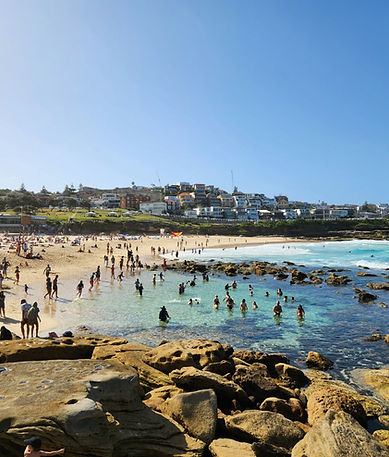
Turramurra
Leafy prestige, great schools, established families
Pymble
Quiet, established, good school catchment
East Killara
Leafy, residential, nothing happening locally by design
Wahroonga
Established family suburb, large blocks
Killara
Leafy, quiet, escarpment-adjacent
What a Weekend looks like
The suburb is quiet — residential in a way that means the streets are genuinely calm on a Saturday morning. Junior sport at the local grounds, a walk to one of the escarpment ridge tracks, a drive to Wollongong city or the beach. Balgownie sits on the escarpment fringe with views from the higher streets that most buyers do not expect. The commercial strip is minimal. Figtree and Wollongong handle the practical. The selling point here is the residential quiet, the large blocks, and the sense that the suburb is not trying to be anything other than what it is.
Is it right for you?
Who tends to suit Balgownie
Buyers who work at or near the University of Wollongong will find Balgownie practically convenient. The campus is essentially adjacent to the suburb's southern boundary. Academics, university staff and researchers who want a residential environment within walking or cycling distance of the campus often look at Balgownie alongside Keiraville and Gwynneville.
Families who want a quiet, tree-lined residential environment in the northern part of Wollongong, without the premium of Fairy Meadow, sometimes find Balgownie fits their brief. The suburb's settled character and proximity to escarpment walking tracks give it a liveable, green feel that suits buyers who don't need to be on the beach every day.
Investors familiar with the university rental market have been active in Balgownie, attracted by the campus proximity and the availability of older homes suited to group rental. This investor presence should be weighed carefully by owner-occupiers assessing specific streets and whether the tenure mix suits them.
Who may find it a compromise
- Buyers who need a train for commuting. No station in Balgownie; bus or drive to Fairy Meadow or Wollongong is required.
- Buyers wanting beach walkability. The beach is nearby but not walkable from most of the suburb; cycling is feasible but walking is a stretch.
- Buyers sensitive to investor and rental activity nearby. University proximity means some streets have a higher rental proportion; buyers should assess the immediate environment of any target property.
- Buyers looking for a retail village character. Balgownie has no commercial strip of its own.
Property Profile
Balgownie's housing stock is predominantly post-war detached homes. A mix of fibro and brick construction from the 1950s through the 1980s, with some later infill builds and occasional townhouses. The suburb doesn't have the concentrated renovation activity of Fairy Meadow or Thirroul, but a proportion of homes have been updated, and the overall condition range runs from well-maintained to properties that would benefit from significant work.
The university proximity has influenced the suburb's rental mix. Some of the older homes on larger blocks have been maintained as rental properties without significant renovation, which can create opportunities for buyers willing to take on a project. Building and pest inspections are especially important in older homes that have been rented long-term with limited owner investment in maintenance.
Blocks vary from small to moderate; larger blocks are more common on the western, escarpment-adjacent streets. Buyers prioritising land size will find more to look at there, though the steep terrain is a factor to consider alongside the block size figures.
Investment activity in the suburb is real. University proximity supports it. But the market is not as investor-dominated as some other UOW-adjacent suburbs. Owner-occupiers are the majority in most streets, which supports a relatively stable residential character.
Market snapshot, 12 months to August 2026: median house price $1,400,000 (up 12% on the previous year) across 61 house sales, with homes taking a median 21 days to sell. Median house rent is $837 a week, up 7.7%.
Source: Stash Property, publicly available listing data. Updated October 2026. General information only.
What Buyers Should Know
University proximity and rental activity
The University of Wollongong campus sits on the southern edge of Balgownie. This proximity drives consistent rental demand, particularly for households seeking easy campus access. For owner-occupiers, this is worth assessing at street level. Some parts of the suburb have a noticeably higher concentration of rental properties than others, which affects the character of individual streets.
No train station access
Balgownie is not directly served by the South Coast Line. The nearest train stations are at Fairy Meadow (north) and Wollongong (south), both requiring a drive or bus connection. Buyers who rely on rail for commuting should factor in this additional leg and assess whether the journey is manageable for their specific needs.
Escarpment and slope considerations
Like many western streets in the Wollongong northern belt, parts of Balgownie rise toward the escarpment foothills. Streets on the higher, western side of the suburb can be noticeably steep, which affects block usability, parking and construction considerations. Buyers planning to renovate or build should assess the specific gradient of their target block.
Housing condition and age
Balgownie's housing stock includes a range of older homes. Fibro and brick from the post-war period through to the 1980s. As well as some more recent builds and infill. Older fibro homes may contain asbestos; building and pest inspections are essential, and buyers should budget for due diligence on any property built before the 1990s.
Street-level variation
As with most northern Illawarra suburbs, the experience of Balgownie varies meaningfully by street. Eastern streets are generally flatter and closer to the coast; western streets are hillier and more escarpment-adjacent. The investor concentration also varies by area. Buyers should assess individual addresses rather than treating the suburb as uniform.
Why Use a Buyers Agent
Balgownie's main buyer complexity is the investor-rental dynamic introduced by university proximity. Understanding which streets and properties have been predominantly owner-occupied versus heavily rented. And what condition the homes are in as a result. Is information that affects both the purchase decision and the due diligence approach.
- Rental tenure assessment. Identifying streets and properties where sustained rental use has affected condition, and factoring this into building inspection scope and offer strategy.
- University market dynamics. Understanding how UOW enrollment cycles and purpose-built accommodation development affect rental conditions and investor returns.
- Slope and site evaluation. Assessing which western blocks are genuinely usable versus those where gradient limits the value of larger land size.
- Comparable pricing context. Calibrating Balgownie values against Fairy Meadow and the broader northern belt so buyers aren't overpaying relative to what the suburb's transport and amenity profile justifies.
- Off-market access. Some vendor-motivated sales in the suburb happen quietly; agent relationships can surface these before they reach the portals.
Buying beyond Balgownie? See how our independent buyers agent service across the Illawarra works, from brief to settlement.

Frequently Asked Questions
Is Balgownie a good place to buy property?
Balgownie is one of Wollongong's most respected family addresses. Leafy prestige streets, excellent school catchments, and a stable community that holds its value through market cycles.
Who is Balgownie best suited for?
Established families, academics, and professionals who want a prestige address near Wollongong University. One of the city's most reliable long-term holds for family buyers.
What Sydney suburb does Balgownie feel like?
Turramurra. Leafy prestige streets, two-generation families, excellent schools, not much happening in the suburb because nothing needs to. Balgownie adds a 10-minute drive to a surf beach.
Why use a buyers agent in Balgownie?
Balgownie's school catchments drive demand and pricing in ways not always obvious without local knowledge. A buyers agent identifies true value in a competitive family buyer market.
What should I know before buying in Balgownie?
School catchment is the most important value driver. Verify which schools a specific property is zoned for. Properties in the upper ridge streets have escarpment views that add significant value.
Book a free strategy call with The Shoreline Agency. We work exclusively for buyers — helping you move at the right time, at the right price.
Contact us below to start your first step
Illawarra's Buyers Agent
bottom of page