
One of Wollongong's most sought-after beach suburbs. Consistently strong demand from both buyers and renters.
Fairy Meadow sits on the coastal strip north of Wollongong CBD, wedged between the Illawarra Escarpment and the Pacific Ocean. It's one of the more established suburbs in the northern belt. Close enough to Wollongong's amenities to feel connected, but with its own beach, train station and local character that give it a distinct identity.
The suburb attracts a broad mix of buyers: young families drawn by the beach and the relatively accessible price point compared to Austinmer or Thirroul, Sydneysiders relocating for space and coastal access, and long-term locals who know the streets well. The Fairy Meadow Demonstration School gives it a particular pull for families with primary-aged children.
The honest trade-off is that Fairy Meadow is not a homogeneous suburb. The Princes Highway divides the eastern and western halves meaningfully. Properties east of it are closer to the beach and fetch a premium, while the western side runs toward the escarpment foothills and can be noticeably quieter, sometimes steeper, and occasionally subject to drainage issues. Street selection here matters more than in many comparable suburbs.

Who Lives Here?
Young families, professionals, surfers, lifestyle buyers
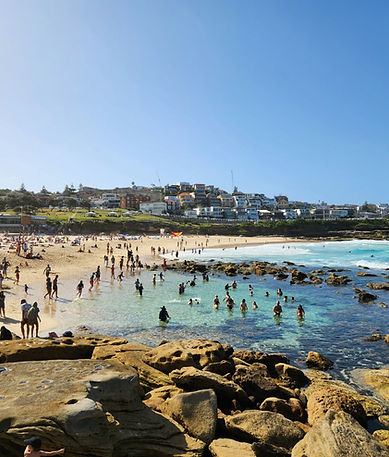
Fairy Meadow Beach is the suburb's primary natural asset. A patrolled beach with a rock pool, suited to everyday beach use and family recreation. It doesn't carry the same surf culture reputation as Thirroul or Sandon Point, but for calm water swimming and weekend activity the beachfront reserve is genuinely functional. Morning walks along the foreshore are a routine part of life here for many residents.
The local retail offering is modest. There are convenience-level shops along the Princes Highway corridor and a small cluster near the station, but buyers expecting a village-style high street will need to adjust expectations. Wollongong CBD and Thirroul both offer more complete dining and retail within a short drive or train ride.
Families generally find the suburb workable. Fairy Meadow Demonstration School is well regarded locally, and secondary schooling options are accessible via Wollongong High School and other nearby institutions. The suburb has parks and green space, including Fairy Creek walking paths that run toward the escarpment, giving it a more leafy feel than some comparable coastal suburbs.
Commute access is reasonable by Illawarra standards. The train to Wollongong takes around eight minutes; Sydney is achievable by train or via the Princes Motorway, though neither is a short journey. For buyers working locally or in Wollongong, the location is practical. For Sydney CBD commuters, the daily haul is significant unless offset by remote work flexibility.
Feels Like
Coogee
Coastal path, beach, cafe strip
Bronte
Beach suburb, young professionals, coastal lifestyle
Randwick
Diverse, coastal adjacent, young energy
Clovelly
Rock pool, compact beach, community feel
Maroubra
Long beach, established suburb, improving
What a Weekend looks like
Fairy Meadow Beach on Saturday morning — the rockpool fills with families by 9am and the carpark is full by 10. Coffee at one of the cafes on the main strip, then the coastal path north toward North Wollongong or south toward Bellambi. The escarpment is visible from every street, and the walking tracks from the back end of the suburb enter the Illawarra Escarpment reserve in minutes. Sunday is slower: brunch, beach, nowhere urgent to be. A suburb with a rhythm that feels genuinely complete without driving anywhere.
Is it right for you?
Who tends to suit Fairy Meadow
Buyers who want coastal access without paying Thirroul or Austinmer prices will find Fairy Meadow worth serious consideration. The beach is calm and family-friendly, the train station connects directly to Wollongong in under ten minutes, and the housing stock. Largely post-war brick and fibro homes. Offers genuine renovation upside for buyers willing to work with older stock.
Families with primary-school-aged children often target the Fairy Meadow Demonstration School catchment, which adds buying intent to streets in the eastern half of the suburb. Sydney relocators trading commute time for beach proximity and space tend to settle comfortably here, particularly those who can work remotely or part-time in the city.
Buyers looking for a foothold in the northern Illawarra without stretching to Thirroul's price point will find Fairy Meadow a credible option. Though that relative affordability is narrowing as the suburb draws more attention.
Who may find it a compromise
- Buyers wanting walkable village retail. The local strip is modest; Thirroul or Wollongong CBD offer a more complete walkable experience.
- Buyers sensitive to highway noise. The Princes Highway runs through the suburb and noise is noticeable on nearby streets.
- Buyers wanting large flat blocks. The eastern, beach-side properties tend to be on smaller lots; larger blocks are typically further from the beach.
- Buyers seeking a strong unit market. Fairy Meadow is predominantly houses; the unit supply is limited and turnover is low.
Property Profile
Fairy Meadow's housing stock is predominantly post-war. A mix of brick veneer and fibro homes built through the 1950s to 1980s, with some infill townhouses and more recent construction scattered through the suburb. The older homes are the dominant character of the eastern residential streets, many of which have been partially or fully renovated over the past decade.
Well-presented, renovated homes on the eastern side of the suburb. Particularly those within walking distance of the beach or station. Attract competitive interest when they come to market. Unrenovated homes in the same locations can represent a genuine opportunity for buyers willing to take on a project, though building and pest inspections are strongly advisable given the age and construction type of older homes.
The western side of the suburb, toward the escarpment, tends to offer larger block sizes and more privacy, but with less beach proximity and on steeper terrain. These properties attract a different buyer profile. Often those prioritising space over coastal access. And typically sit on market longer than comparable beach-side stock.
Units are relatively scarce in Fairy Meadow compared to some other Illawarra suburbs. The small number of apartment and townhouse complexes tend to hold value reasonably well given low supply, but buyers looking for a unit-heavy market with strong rental demand may find Wollongong CBD or Corrimal better suited to that brief.
Market snapshot, 12 months to August 2026: median house price $1,400,000 (up 16.7% on the previous year) across 58 house sales, with homes taking a median 28 days to sell. Units sold for a median $600,000 (65 sales). Median house rent is $850 a week, up 16.4%.
Source: Stash Property, publicly available listing data. Updated October 2026. General information only.
What Buyers Should Know
The Princes Highway divide
The Princes Highway is a live arterial road running north-south through the suburb. Properties on or near it experience traffic noise that is difficult to assess on a quiet weekend inspection. Streets east of the highway are generally more desirable for beach proximity and quieter residential feel; streets immediately adjacent to the highway carry a discount that may or may not be reflected in the asking price.
Flood risk in lower pockets
Fairy Creek runs through the suburb and some lower-lying streets near the creek have flood affectation noted on council records. It's worth requesting a Section 10.7 certificate and checking flood maps before making an offer on any property in the lower eastern pockets. Not all of the suburb is affected. But buyers should verify specifically, not assume.
School catchment competition
The Fairy Meadow Demonstration School draws families specifically to certain streets in the eastern half of the suburb. During periods of strong buyer activity, this catchment can drive competition on particular properties out of proportion to their general condition or presentation. Knowing which addresses fall within the catchment is useful before bidding.
Housing condition range
The suburb has a wide spread of housing quality. From well-renovated family homes presenting strongly, through to original fibro and brick cottages that have seen limited maintenance. Pest and building inspections are particularly important here; subsurface issues, asbestos in fibro homes, and ageing electrical or plumbing are not uncommon in the older stock. Budget for due diligence accordingly.
Street-level slope variation
Streets closer to the escarpment on the western side of the suburb can be steep, which affects usable yard space, parking, and in some cases construction costs for buyers planning to renovate or extend. It's worth physically walking any street you're considering to assess the gradient before committing to a property.
Train station access
Fairy Meadow station is on the South Coast Line and provides regular services to Wollongong and northward toward Sydney. For buyers commuting to Sydney, the journey is long but manageable a few days per week. The station is a genuine asset for the suburb and within walking distance for most of the eastern residential streets.
Why Use a Buyers Agent
Fairy Meadow's appeal is clear enough to attract buyers from a wide area. Which means competition can be real when the right property comes up, and pricing is not always transparent. The suburb's internal variation (east vs west, highway-adjacent vs quiet street, flood-affected vs not) means that knowing which properties represent genuine value requires more than a weekend of open homes.
- Street-level assessment. Knowing which streets carry highway noise, drainage risk or escarpment access issues before you bid, not after.
- Flood and risk identification. Cross-referencing flood mapping, Section 10.7 certificates and council data to assess specific properties accurately.
- School catchment verification. Confirming exact catchment boundaries before factoring them into your offer price.
- Pricing discipline in competition. Understanding when demand is inflating a price beyond reasonable value versus when a property genuinely warrants a strong offer.
- Off-market access. Some of the better stock in Fairy Meadow moves without significant advertising; local agency relationships can improve access to these opportunities.
Buying beyond Fairy Meadow? See how our Wollongong buyers agent service works, from brief to settlement.
