
Understanding Zoning in Wollongong – R2, R3 and Beyond
Why Zoning Matters When Buying in Wollongong
When you're buying property in the Illawarra, one small detail can make a big difference — zoning.
Zoning determines how land can be used, what can be built, and how densely an area can be developed. Whether you're purchasing a family home, planning a renovation, or considering an investment, understanding Wollongong's zoning regulations is key to making confident and informed decisions.
Every property sits within a designated zone under the Wollongong Local Environmental Plan (LEP) — a document that sets out land-use categories across the Wollongong City Council area.
These include residential, business, industrial, and environmental zones.
For buyers, the most common are R2 (Low Density Residential), R3 (Medium Density Residential), and R4 (High Density Residential).
Each comes with its own development controls, building heights, and lifestyle implications.
At The Shoreline Agency, we regularly help clients interpret zoning maps, assess potential, and avoid costly surprises. Here's what you need to know before making your next move.
R2 – Low-Density Residential
Overview
The R2 zone covers most of Wollongong's traditional suburbs — areas designed for single homes on individual lots, offering privacy, greenery, and a quieter lifestyle.
If you're picturing leafy streets in Figtree, Woonona, or Mount Pleasant, you're likely looking at R2 zoning.
What you can build
Detached houses
Dual occupancies (in some areas, subject to approval)
Secondary dwellings (granny flats)
Home businesses (low impact only)
Key development controls
Building height limits: generally 8.5 metres
Floor space ratio (FSR): 0.5:1 to 0.6:1, depending on block size
Lot size minimum: around 450–600m² for new homes or dual occupancies
R2 zones are ideal for families seeking space or buyers looking to add value through renovation or the construction of a secondary dwelling. However, it's essential to verify whether dual occupancy is permitted on your specific site, as controls can vary by street and slope.
Local insight:
Many of Wollongong's most sought-after family suburbs, including Mangerton, Keiraville, and Woonona, are predominantly R2. These areas appeal to upgraders wanting lifestyle stability and proximity to schools.
For investors, R2 blocks with dual-occupancy potential or existing granny flats can yield excellent long-term returns, particularly as land supply becomes tighter.

R3 – Medium Density Residential
Overview
The R3 zone bridges the gap between suburban living and urban convenience. It allows for townhouses, villas, and small apartment buildings, making it a key focus for Wollongong's housing diversity and population growth.
You'll find R3 zoning throughout parts of Corrimal, Fairy Meadow, Unanderra, and the inner Wollongong CBD fringe.
What you can build
Multi-dwelling housing (townhouses, villas)
Small residential flat buildings (up to 3 storeys)
Dual occupancies
Boarding houses or seniors' housing (with approval)
Key development controls
Building height limits: typically 9–11 metres
Floor space ratio (FSR): 0.7:1 to 1.2:1, depending on proximity to transport and local character
Lot size: around 700m²+ for multi-dwelling developments
R3 zones suit downsizers, first-home buyers, and investors who want a balance of density and amenity. Properties here are often within walking distance of train stations, schools, or local shopping centres — making them attractive for tenants and families alike.
Local insight:
In Corrimal, R3 zoning near the train station has encouraged high-quality townhouse projects blending modern design with coastal proximity.
Similarly, Fairy Meadow's R3 pockets are drawing strong interest for their walkability and access to the University of Wollongong.
Buyers who understand the difference between R2 and R3 can identify emerging growth corridors — where density is increasing, but lifestyle appeal remains strong.
Tip: Even within R3 areas, design guidelines and heritage overlays can limit what's possible. Always review the Wollongong Development Control Plan (DCP) alongside the LEP for site-specific details.

R4 and Beyond – High Density and Special Zones
R4 – High-Density Residential
The R4 zone applies to Wollongong's most urbanised areas — primarily around the CBD, North Wollongong, and parts of Shellharbour City Centre. It's designed for apartments and mixed-use developments, often located near transportation, employment, and retail.
What you can build
Residential flat buildings (typically 4–10+ storeys)
Mixed-use buildings with ground-floor retail
Serviced apartments or build-to-rent projects
Key development controls
Building height limits: up to 22–30 metres, depending on the site
FSR: 1.5:1 to 3:1+
Minimum lot size: generally 1,000m²+
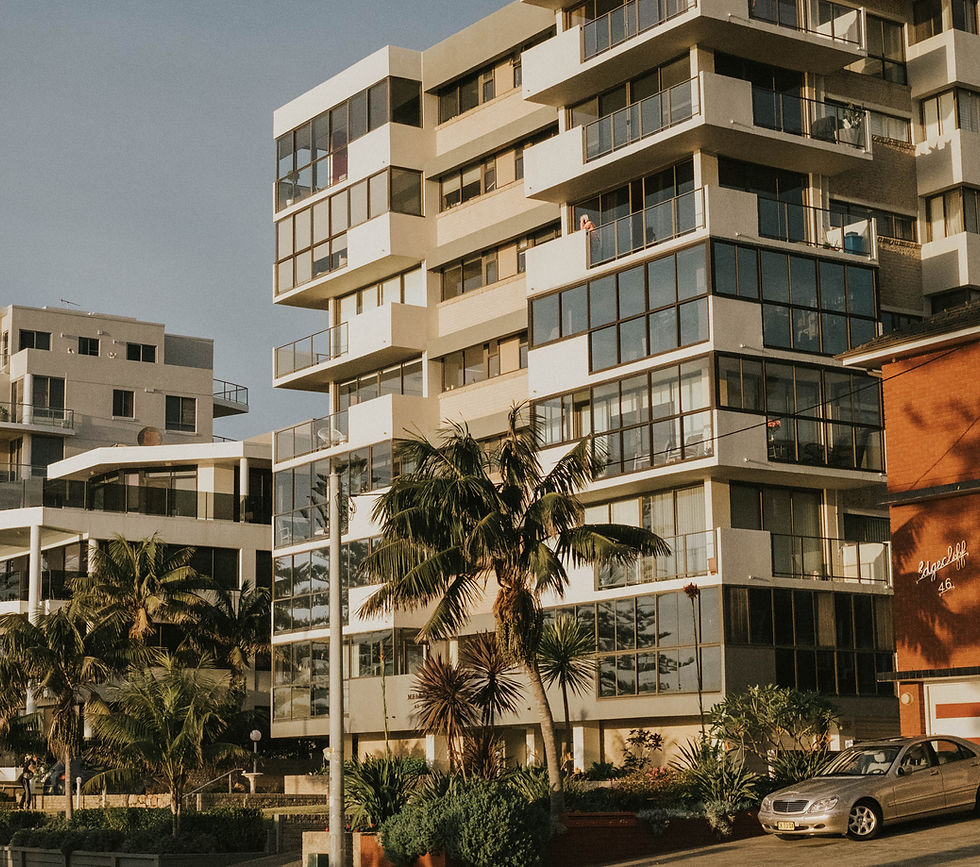
R4 zones are where you'll find Wollongong's evolving skyline — from Crown Street precinct apartments to boutique beachfront developments.
For investors, this zone offers potential for higher yields but also higher complexity, with planning approvals, design competitions, and infrastructure contributions to consider.
Local insight: Recent projects in North Wollongong and Gwynneville show how R4 zoning can support sustainable, mixed-use living close to the CBD and university. Demand from professionals, students, and downsizers continues to strengthen this Market segment.
Other Zones Worth Knowing
While residential zones dominate buyer conversations, a few others are worth noting:
E4 Environmental Living: Large, semi-rural lots (e.g. Mount Kembla, Cordeaux Heights) prioritising conservation.
B1/B2 Business Zones: Mixed-use town centres allowing shops, offices, and apartments above.
RE1 Public Recreation: Parks and coastal reserves — not developable, but essential for nearby property amenity.
Understanding how these zones interact helps buyers assess both current use and future potential.
How to Check Zoning in Wollongong
You can view a property's zoning via the NSW Planning Portal or the Wollongong City Council interactive maps. Search your address, and you'll see the zone, LEP controls, and overlays such as flood, bushfire, or heritage areas.
But zoning is only the starting point. Factors like slope, access, and neighbouring development can all influence what's truly achievable on-site.
At The Shoreline Agency, we go beyond the map — interpreting zoning in the context of the property's physical features, Market demand, and long-term strategy.
Example: A recent client in Unanderra was considering an R2 home with subdivision potential.
Our analysis revealed that the lot shape and slope made subdivision uneconomical — but its location beside R3 zoning meant strong capital growth potential as medium-density development expanded nearby.
That's the kind of insight zoning alone can't show.
Why Zoning Knowledge Matters for Buyers
Understanding zoning helps you:
Identify properties with future development potential
Avoid overpaying for land with hidden restrictions
Recognise where growth and density are planned
Make informed decisions about renovation or rebuild opportunities
Even if you're buying purely for lifestyle, zoning impacts your everyday experience — from neighbourhood character to traffic and future construction nearby.
Thinking About Buying in Wollongong?
Zoning may sound technical, but it's one of the most essential pieces of the property puzzle.
Whether you're searching for a family home, a renovation project, or an investment with development potential, The Shoreline Agency can help you decode Wollongong's zoning maps and make smarter, more confident decisions.
📞 Contact The Shoreline Agency today to discuss your goals and get tailored advice on buying or developing in the Illawarra.
👉 Get in touch →
See you on the Shoreline.


Comments