top of page

The strongest lifestyle-to-price ratio of any coastal city in NSW. Still undervalued relative to Sydney.
Wollongong is the commercial and cultural centre of the Illawarra, with an increasingly active apartment market alongside its established retail, dining, and services precinct. The suburb encompasses a range of property types. From older apartment blocks to newer high-density developments. And its position between the beach and the escarpment gives it a coastal-urban identity distinct from other parts of the LGA.
The Wollongong CBD market is more complex than it appears from the outside. Building quality, body corporate health, and long-term value vary significantly across what can look like a uniform apartment stock on listing portals.

Who Lives Here?
University students, young professionals, families, investors, sea changers
Wollongong CBD delivers genuine urban amenity. Dining, retail, arts, beach, and the South Coast rail line all within walking distance. The university and hospital precinct reinforce the suburb’s function as the region’s primary hub. The beach strip along Marine Drive and the foreshore reserve are consistent lifestyle assets regardless of where in the CBD you’re based.
For buyers who want urban convenience with a coastal edge, Wollongong is the Illawarra’s clearest answer.
Feels Like
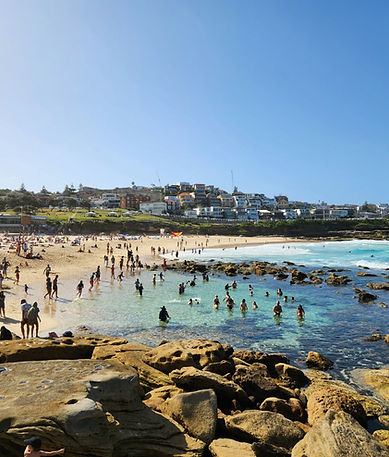
Bondi
City beach, cafe culture, university energy
Manly
Coastal city suburb, walkable, beach lifestyle
Coogee
Beach suburb with a strip, young professionals
Glebe
University adjacent, diverse, walkable
Newtown
Cafe culture, creative crowd, city-adjacent
What a Weekend looks like
The Stuart Park to North Beach coastal walk is one of the best urban ocean walks in NSW. Saturday mornings: coffee on Crown Street, a surf at North Wollongong or a swim in the rock pool. The farmers market runs at Foreshores Park. The art gallery is free. By afternoon the city settles into its weekend mode — easy, coastal, unhurried. Crown Street fills again for dinner. Wollongong has figured out its identity: not Sydney, not a regional backwater, something in between with better beaches. Buyers who move here from Sydney describe the weekend as the reason they stayed.
Is it right for you?
Wollongong CBD suits buyers seeking a low-maintenance, urban lifestyle with beach proximity, strong amenity, and access to the South Coast rail line. It works well for owner-occupiers in lifestyle-focused stages of life, and for investors who understand the apartment market’s specific dynamics and have done the building-level due diligence.
Buyers who prefer freestanding homes with private outdoor space will find the CBD’s apartment-dominated market a mismatch with their brief.
Property Profile
The Wollongong CBD is predominantly an apartment market, ranging from 1-bedroom units to 3-bedroom apartments in newer buildings. Some freestanding homes exist in peripheral streets. Prices vary significantly by building, floor level, aspect, and body corporate health. Entry-level apartments are available; premium units in well-managed buildings command significant premiums.
Buyers should assess individual buildings. Not just price per square metre. Before forming a view on value.
Market snapshot, 12 months to August 2026: median house price $1,200,000 (up 9.1% on the previous year) across 71 house sales, with homes taking a median 31 days to sell. Units sold for a median $750,000 (429 sales). Median house rent is $770 a week, up 4.8%.
Source: Stash Property, publicly available listing data. Updated October 2026. General information only.
What Buyers Should Know
Building quality varies significantly
Wollongong has apartment buildings from multiple eras and quality tiers. Strata records, special levy history, and building defect documentation are essential reading before any apartment purchase.
Body corporate health
An active sinking fund, reasonable levies, and no major pending works are indicators of a well-managed building. Engage an independent strata inspector before exchanging contracts.
Development pipeline
Wollongong’s CBD continues to receive development approvals. Understand the potential impact of proposed buildings on views, amenity, and parking for any property you’re seriously considering.
Flood overlay near drainage corridors
Some parts of the CBD are near drainage corridors and may carry flood overlay designations. Check the section 10.7 planning certificate for any property.
Why Use a Buyers Agent
In an apartment-heavy market, the information asymmetry between buyers and selling agents is particularly pronounced. A buyers agent who can read strata records, assess body corporate health, interpret building defect history, and identify which buildings are genuinely worth the premium being asked. Versus those that look similar but carry hidden risks. Provides clear value.
The Shoreline Agency works exclusively for buyers. We conduct building-level due diligence, manage strata report review, and negotiate without any conflict of interest.
Buying beyond Wollongong? See how our Wollongong buyers agent service works, from brief to settlement.

Frequently Asked Questions
Is Wollongong a good place to buy property?
Wollongong is one of the most compelling property buys in NSW. Coastal city, beach, café culture, university, and strong employment at a fraction of Sydney prices. Capital growth has been consistent.
Who is Wollongong best suited for?
University students, young professionals, families, investors, and sea changers from Sydney. The broadest buyer profile of any Illawarra suburb. Demand comes from multiple directions.
What Sydney suburb does Wollongong feel like?
Bondi. City beach, café culture, university energy, coastal path. What Bondi had in 2005 before it priced itself out. Wollongong is doing the same thing, right now, at a fraction of the cost.
Why use a buyers agent in Wollongong?
Wollongong's diversity of property types, strata quality variation, and flood risk in some precincts mean independent due diligence adds significant value. Wide quality range requires specialist navigation.
What should I know before buying in Wollongong?
Strata quality varies widely. Professional strata reports are essential. Flood risk affects some CBD-adjacent precincts. University proximity drives strong rental demand but also higher investor concentration.
Book a free strategy call with The Shoreline Agency. We work exclusively for buyers — helping you move at the right time, at the right price.
Contact us below to start your first step
Illawarra's Buyers Agent
bottom of page